
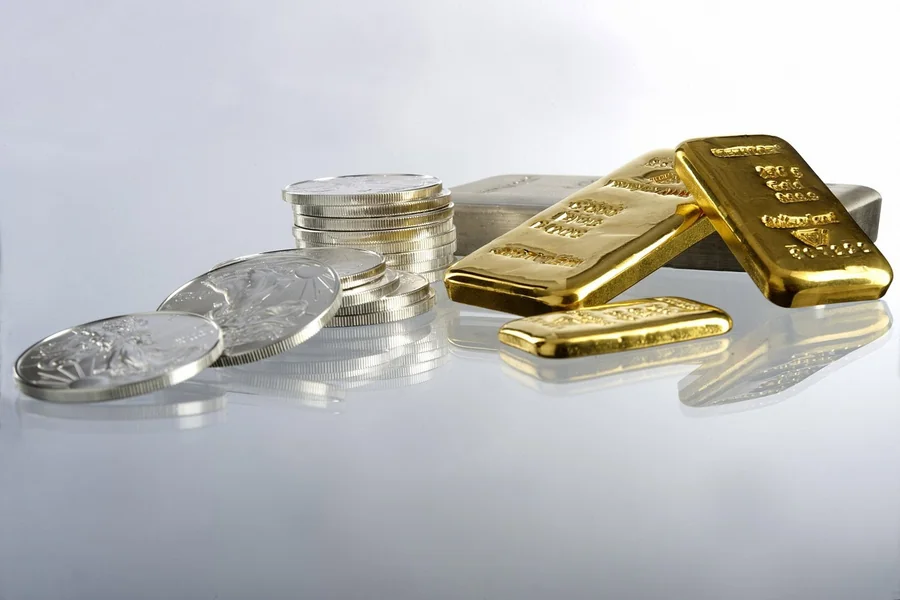
Investing in bullion has long been regarded as a safe haven for wealth preservation. Unlike stocks or bonds, which can fluctuate with market sentiment, bullion—primarily gold and silver—offers a tangible store of value that has endured the test of time. For both novice and experienced investors, understanding bullion value is crucial for making informed investment decisions. This guide explores the fundamentals of bullion, the factors affecting its value, and strategies for investing wisely.
What Is Bullion?
Bullion refers to precious metals in bulk form, typically gold, silver, platinum, or palladium, that are valued primarily for their mass and purity rather than their form or design. Bullion is commonly available as bars, ingots, or coins. Unlike collectible coins, bullion coins are primarily purchased for their metal content rather than numismatic value.
- Gold Bullion: Gold is the most widely recognized and traded precious metal. Its value is universally acknowledged and serves as a benchmark for other forms of wealth storage.
- Silver Bullion: While less expensive than gold, silver offers unique investment advantages. It is used both as a store of value and in industrial applications, which can influence its market price.
- Other Precious Metals: Platinum and palladium are also considered bullion but tend to be more volatile due to smaller markets and industrial demand factors.
Factors Influencing Bullion Value
Understanding the factors that influence bullion value is essential for investors looking to protect and grow their wealth.
1. Market Supply and Demand
The most basic determinant of bullion value is the interplay between supply and demand. Limited supply with high demand tends to push prices upward. Conversely, if production exceeds demand, prices can stagnate or fall. For example, gold mining outputs and the rate at which central banks buy or sell gold reserves significantly affect supply dynamics.
2. Economic Stability and Inflation
Bullion is often seen as a hedge against inflation and economic instability. When fiat currencies lose value due to inflation, the relative value of bullion typically rises. This is because precious metals maintain intrinsic value even when paper money depreciates. During economic uncertainty, investors flock to bullion as a safe haven, driving up prices.
3. Geopolitical Events
Geopolitical tensions, such as wars or international conflicts, can have a profound impact on bullion prices. Gold, in particular, tends to surge during periods of political instability because investors seek assets that are less likely to be affected by geopolitical risks.
4. Interest Rates and Currency Strength
Interest rates and currency values are closely linked to bullion prices. Higher interest rates often make fixed-income investments more attractive compared to non-yielding assets like bullion. Conversely, when interest rates are low, bullion becomes more appealing. Additionally, bullion is typically priced in U.S. dollars, so fluctuations in the dollar’s value affect global bullion prices.
5. Industrial and Technological Demand
Metals like silver, platinum, and palladium have significant industrial uses, from electronics to automotive catalysts. Increased industrial demand can push prices upward, while technological advances or substitutes may reduce demand and depress prices. Investors should monitor industry trends alongside bullion market movements.
How Bullion Is Valued
Bullion value is determined through a combination of weight, purity, and market price. Understanding these components helps investors make informed purchasing and selling decisions.
1. Weight and Measurement Units
Bullion is typically weighed in troy ounces, grams, or kilograms. A troy ounce is slightly heavier than a standard ounce, equivalent to approximately 31.1035 grams. Accurate measurement is crucial since even small variations can affect pricing significantly.
2. Purity and Fineness
The purity of bullion is measured in terms of fineness, expressed in parts per thousand. For example, 24-karat gold is considered pure and has a fineness of 999. Silver bullion is often sold as .999 fine, indicating 99.9% pure silver. Higher purity generally translates to higher value.
3. Spot Price
The spot price is the current market price for a unit of bullion. It serves as a reference for buyers and sellers and fluctuates constantly based on supply and demand dynamics. Premiums above the spot price account for manufacturing, distribution, and dealer costs.
4. Premiums and Dealer Margins
When buying bullion, investors often pay a premium over the spot price. This premium covers minting, transportation, storage, and dealer profit. Understanding these premiums is critical for investors to evaluate the true cost and potential resale value.
Bullion Investment Strategies
Investing in bullion requires strategic planning. Here are several approaches:
1. Physical Bullion Ownership
Owning physical bullion, such as coins or bars, provides direct exposure to precious metals. Investors should ensure secure storage solutions, whether through home safes, bank vaults, or specialized storage providers. Physical ownership allows investors to hedge against financial system risks but may incur storage and insurance costs. Many investors carefully decide to buy and sell gold and silver bullion based on market conditions, economic forecasts, and personal financial goals.
2. Bullion ETFs and Funds
Exchange-traded funds (ETFs) allow investors to gain exposure to bullion without holding physical metal. ETFs are traded like stocks and offer liquidity and convenience. While they closely track bullion prices, investors must be aware of management fees and the fund’s structure.
3. Futures and Options
Advanced investors may use futures and options to speculate on bullion prices. These instruments allow for leveraged positions but carry higher risk. Futures contracts obligate buyers to purchase or sell bullion at a set price on a future date, while options give the right, but not the obligation, to trade.
4. Diversification Across Metals
Diversifying across different types of bullion—gold, silver, platinum—can help manage risk. Each metal has unique market drivers and industrial applications, which may affect price movements differently. Diversification ensures that exposure to one metal’s volatility does not disproportionately impact the overall portfolio.
Risks and Considerations
While bullion is often considered a safe investment, it is not without risks.
- Market Volatility: Bullion prices can fluctuate significantly in the short term, especially silver and platinum.
- Liquidity: Physical bullion may be harder to sell quickly compared to financial instruments.
- Storage and Insurance Costs: Physical metals require secure storage and insurance, adding to overall investment costs.
- Counterfeit Risks: Investors must be cautious of counterfeit bullion and purchase from reputable dealers.
Conclusion
Understanding bullion value is essential for smart investing. By examining factors such as market demand, economic conditions, geopolitical events, and industrial uses, investors can make informed decisions about when and how to invest in precious metals. Whether through physical ownership, ETFs, or derivative instruments, bullion can serve as a stable hedge against inflation, currency fluctuations, and economic uncertainty.
A disciplined approach, coupled with knowledge of valuation methods and risk factors, can help investors harness the enduring value of bullion as a cornerstone of a diversified investment strategy. For those willing to invest the time in research and strategy, bullion offers both a tangible and timeless path to wealth preservation.
