
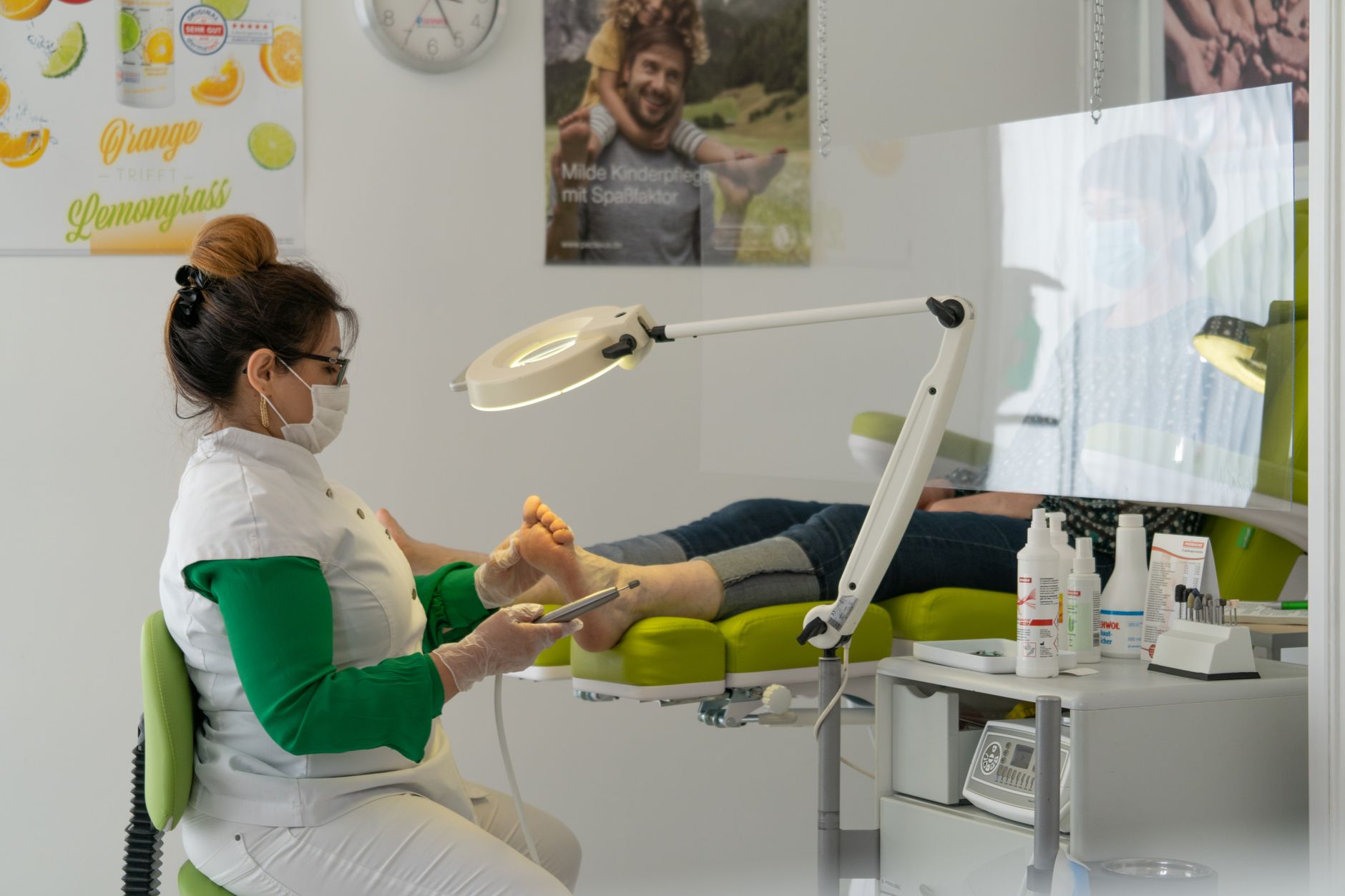
Understanding the Value of In-Home Podiatry
Foot and lower-limb problems can affect much more than walking. Persistent discomfort may make standing, exercising, shopping, working, or completing household activities increasingly difficult. For some people, travelling to a clinic can also become challenging, particularly when mobility is limited or daily routines make appointments difficult to manage.
A podiatrist home visit offers an alternative approach by bringing professional foot care directly to a person's home. Instead of arranging transport and navigating an unfamiliar clinical environment, eligible patients can receive podiatry care in a familiar setting. This can make appointments more convenient while allowing the practitioner to understand how foot or mobility concerns affect everyday activities.
Who May Benefit From Home-Based Podiatry?
Home-based podiatry can be particularly useful for people who have difficulty travelling independently. Older adults, people with reduced mobility, individuals recovering from illness or injury, and those living with conditions that affect movement may find travelling to appointments physically demanding.
Convenience is not the only consideration. A home appointment can also provide valuable information about a person's daily environment. The podiatrist may be able to observe how the patient moves around their home and identify practical factors that could be contributing to discomfort, instability, or difficulty completing routine activities.
Why Foot Health Should Not Be Overlooked
Feet carry the body through almost every part of the day, yet foot health is often ignored until discomfort becomes difficult to manage. Small problems such as corns, calluses, thickened nails, or minor skin irritation can become increasingly troublesome when they are not addressed appropriately.
Persistent foot discomfort can also influence the way a person walks. Changes in walking patterns may place additional stress on the ankles, knees, hips, or lower back. Addressing foot concerns early can therefore be an important part of maintaining comfortable movement and supporting everyday independence.
What Happens During a Home Podiatry Appointment?
A home podiatry appointment generally begins with an assessment of the patient's concerns and relevant foot health history. The podiatrist may examine the feet, toenails, skin, footwear, and aspects of mobility depending on the reason for the appointment.
The practitioner can then discuss appropriate care and provide advice based on the individual's circumstances. Treatment varies from person to person because foot problems can have different causes. A professional assessment helps determine which approach is appropriate rather than relying on assumptions or self-treatment.
The Convenience of Receiving Care at Home
Travelling to a healthcare appointment can involve several separate challenges. A person may need to arrange transportation, prepare for the journey, walk between parking areas and buildings, or rely on family members for assistance. These barriers can sometimes discourage people from seeking care when they need it.
Home appointments remove much of this travel burden. Patients can remain in their familiar surroundings while receiving professional attention. For families and carers, this arrangement may also simplify appointment planning and reduce the practical effort involved in getting someone to and from a clinic.
How Home Visits Can Support Independence
Maintaining independence is an important consideration for many people experiencing mobility difficulties. Foot discomfort or untreated problems can make everyday movement less comfortable and may cause someone to reduce activities they previously enjoyed.
Professional podiatry can form part of a broader approach to maintaining mobility. By assessing foot health and providing suitable advice or treatment, a podiatrist can help patients understand their condition and make informed decisions about foot care. The goal is not simply to address a single symptom but to support safer and more comfortable daily movement where appropriate.
Home Environment Can Provide Useful Context
One advantage of an in-home appointment is that the practitioner can see the environment in which the patient actually lives. Everyday movement can look very different at home compared with a clinical setting.
The layout of rooms, commonly used footwear, walking surfaces, and the way a person moves between frequently used areas may provide useful context. While not every issue can be identified through an environmental assessment, observing real-world circumstances can help a practitioner provide more practical recommendations.
Footwear and Everyday Foot Care
Footwear plays an important role in everyday foot comfort. Shoes that are too tight, poorly fitted, excessively worn, or unsuitable for a particular activity may contribute to pressure and discomfort.
During a podiatry consultation, patients may receive advice about appropriate footwear and general foot-care habits. Simple measures such as keeping feet clean and dry, checking for changes in the skin, and selecting properly fitting shoes can contribute to better everyday foot health.
People who have difficulty checking their feet should consider asking a healthcare professional or trusted carer for assistance. Regular observation can make it easier to notice changes that may require professional attention.
Why Professional Assessment Matters
Online information can provide general education, but it cannot replace an individual assessment. Similar symptoms can have different underlying causes, and treatment that is appropriate for one person may not be suitable for another.
A qualified podiatrist can consider the patient's symptoms, medical history, mobility, footwear, and other relevant factors before recommending care. This personalised approach can help avoid unnecessary self-treatment and ensure that concerns are assessed by an appropriate healthcare professional.
When Should Someone Consider Podiatry Care?
People should not necessarily wait until foot discomfort becomes severe before seeking professional advice. Ongoing pain, recurring skin problems, changes in the appearance of the feet or toenails, difficulty walking, or concerns about mobility can all be reasons to discuss symptoms with a healthcare professional.
Those who already have health conditions that can affect the feet should follow advice from their healthcare team and attend recommended appointments. Early professional guidance may help identify problems before they become more disruptive to everyday life.
Home Visits Can Make Appointments More Accessible
Accessibility is an important part of healthcare. A service can be professionally excellent, but if a person cannot comfortably reach the clinic, accessing that service becomes difficult.
Home-based podiatry can help reduce this barrier for suitable patients. By delivering care in the patient's own environment, home visits can make professional foot services more practical for people whose mobility, transportation options, or personal circumstances make traditional appointments challenging.
Choosing an Appropriate Podiatry Service
When considering home-based podiatry, patients should look at the qualifications and experience of the practitioners, the types of services offered, appointment availability, and whether home visits are appropriate for their individual circumstances.
It can also be useful to ask what information should be prepared before the appointment. Having a list of current concerns, relevant medical information, medications where applicable, and questions about foot health can help make the consultation more productive.
A Practical Approach to Better Foot Care
Good foot health does not depend on one appointment alone. Regular attention to footwear, hygiene, nail care, skin changes, and comfort can help people become more aware of their feet.
Professional guidance can complement these everyday habits. For people who find travelling difficult, a home-based service can provide an accessible way to discuss concerns and receive appropriate podiatry support without adding unnecessary travel to their routine.
Making Foot Care Part of Everyday Health
Foot health deserves the same practical attention given to other aspects of wellbeing. Comfortable movement can influence independence, daily activities, exercise, and overall quality of life.
For people who have difficulty travelling to a clinic, a home-based appointment may offer a convenient alternative. Services such as podiatrist home visit can bring professional podiatry care into the patient's own environment, making access to foot care more practical for suitable individuals.
Conclusion
Foot problems can gradually interfere with ordinary activities when they are ignored or managed without appropriate guidance. Professional podiatry provides an opportunity to assess concerns, understand possible contributing factors, and receive recommendations suited to an individual's circumstances.
For people who experience barriers to travelling, home-based appointments can provide an accessible option. A podiatrist home visit can reduce the practical difficulties associated with clinic travel while allowing care to take place in a familiar environment. Ultimately, the right approach depends on each person's needs, mobility, and clinical circumstances, so discussing concerns with a qualified healthcare professional is an important first step.

Rockies Ripple is the founder and lead writer behind the independent blog tvplutos.com