
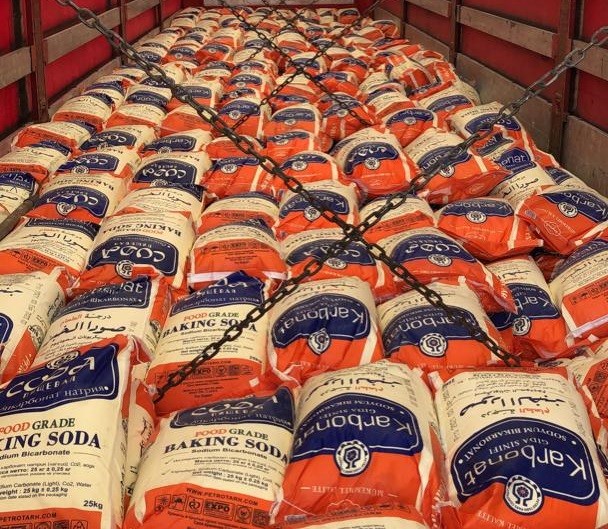
Sodium bicarbonate, commonly known as baking soda, is a versatile chemical used across food processing, animal feed, oil and gas, water treatment, pharmaceuticals, and industrial manufacturing. Choosing the right supplier directly affects product quality, production consistency, cost control, and supply chain reliability. A poor choice can lead to inconsistent purity, delayed shipments, or non-compliance with industry standards. This guide outlines practical steps to identify a reliable sodium bicarbonate supplier and highlights key factors that matter most for long-term success.
Why Supplier Selection Matters
Not all sodium bicarbonate is the same. Grades differ significantly in purity, particle size, moisture content, and heavy metal levels. Food and pharmaceutical applications demand the highest purity, while industrial processes may prioritize cost-effectiveness and bulk availability. Working with a proven sodium bicarbonate manufacturer that controls the entire production process usually delivers better consistency than buying through multiple intermediaries.
Key Criteria for Evaluating Suppliers
1. Product Quality and Grade Specialization
Request certificates of analysis (COA) for every batch. Verify that the supplier offers the exact grade you need. For food applications, look for high-purity food grade sodium bicarbonate that meets international food safety standards (such as E500). For technical uses, confirm the specifications of industrial grade sodium bicarbonate match your process requirements for pH control, neutralization, or other functions.
2. Production Capacity and Supply Reliability
A strong supplier should have sufficient manufacturing capacity and inventory buffers to handle both regular and peak demand. Companies with multiple production sites reduce the risk of disruption. Ask about monthly output, lead times, and contingency plans.
3. Certifications and Compliance
Check for relevant certifications: ISO standards, food safety certifications (such as ISO 22000 or GMP), Halal, and any industry-specific approvals. These documents demonstrate that the manufacturer follows strict quality and safety protocols.
4. Technical Support and Transparency
The best suppliers provide more than just product. They offer technical data sheets, application guidance, and responsive customer service. Transparency about raw materials, production methods, and quality control processes builds long-term trust.
5. Pricing Structure and Logistics
Compare total landed cost rather than unit price alone. Include packaging options, shipping terms, and payment flexibility. Reliable manufacturers often offer competitive pricing for bulk orders while maintaining consistent quality.
6. Track Record and Global Reach
Review the supplier’s experience, export history, and customer feedback. A manufacturer serving multiple countries typically has stronger logistics capabilities and a deeper understanding of international standards.
Practical Steps to Find the Right Partner
Start with online research focused on established manufacturers rather than pure traders. Visit official websites to examine product ranges, certifications, and company background. Shortlist two or three candidates and request samples along with full documentation. Test the samples in your actual process conditions. Schedule calls or virtual meetings to assess responsiveness and technical knowledge. Whenever possible, arrange a factory visit or third-party audit. Finally, begin with a smaller trial order before committing to large volumes.
Common Mistakes to Avoid
Many buyers focus exclusively on the lowest price and overlook quality variation or supply instability. Others fail to verify the actual grade or accept generic certificates without batch-specific data. Relying on a single source without a backup plan also creates unnecessary risk. Always document specifications in the purchase agreement and establish clear quality acceptance criteria.
The Advantage of Working Directly with a Manufacturer
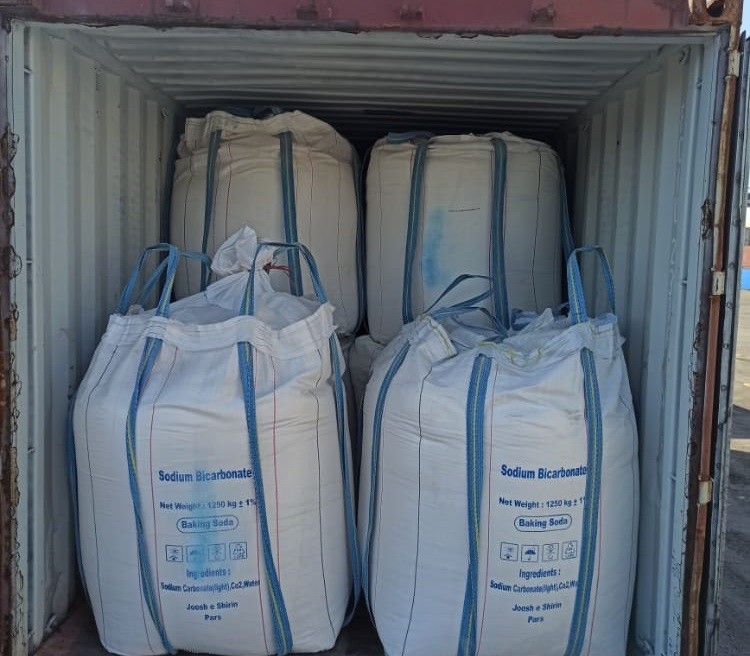
Direct collaboration with a dedicated sodium bicarbonate manufacturer offers clearer communication, better traceability, and more flexible solutions. Manufacturers who produce both food grade sodium bicarbonate and industrial grade sodium bicarbonate can often support customers across different application needs from a single reliable source. This reduces complexity in procurement and improves consistency across product lines.
Final Recommendations
Finding the right sodium bicarbonate supplier requires a balanced evaluation of quality, capacity, compliance, service, and total cost. Prioritize partners who demonstrate transparency, hold relevant certifications, and maintain stable production. Taking the time to verify these factors protects your operations and supports long-term efficiency.
If you are looking for a reliable source of high-quality sodium bicarbonate backed by modern production facilities and international experience, explore the offerings of a trusted manufacturer. Review their product grades, request detailed specifications, and start a conversation about your specific requirements. The right supplier becomes a strategic partner rather than just a vendor.

Rockies Ripple is the founder and lead writer behind the independent blog tvplutos.com