
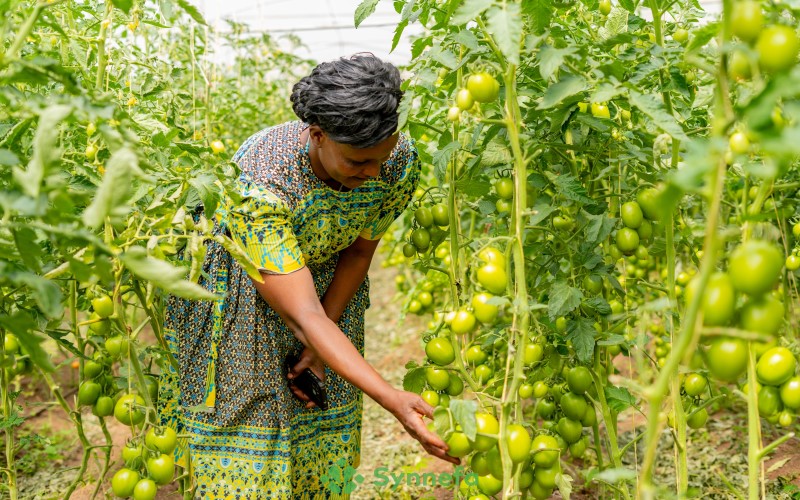
Embarking on a farming journey is both exciting and daunting. As a first-time farmer, you’ll need to navigate various challenges, from selecting the right crops to understanding the nuances of soil health. This guide aims to provide essential tips and insights to help you start your agricultural journey on the right foot.
Understanding Your Motivation
Before diving into farming, it’s crucial to understand why you want to become a farmer. Are you interested in providing organic produce for your community, seeking a sustainable lifestyle, or looking to create a profitable business? Clarifying your motivation will help shape your goals and guide your decisions.
Research and Education
Farming is a complex field that requires knowledge and continuous learning. Start by researching various farming methods and techniques. Books, online courses, and local agricultural extension programs can be valuable resources. Consider joining farming associations or attending workshops to connect with experienced farmers and gain practical insights.
Choosing the Right Land
Selecting the right piece of land is fundamental to your success. Consider the following factors when choosing your farm:
- Soil Quality: Test the soil to determine its composition and fertility. Good soil health is critical for crop growth.
- Water Availability: Ensure there is a reliable water source for irrigation.
- Climate: Understand the local climate and its suitability for the crops you plan to grow.
- Location: Proximity to markets and suppliers can impact transportation costs and logistics.
Deciding on Your Crops
Choosing the right crops is another critical decision. Start with crops that are well-suited to your region’s climate and soil. Consider market demand, crop rotation practices, and your personal preferences. It’s often beneficial to begin with a small variety of crops to gain experience before expanding.
Planning and Preparation
Create a detailed business plan outlining your farming goals, budget, and timeline. Consider the following steps in your planning process:
- Budgeting: Estimate the costs involved in starting your farm, including land purchase or lease, equipment, seeds, and labor.
- Infrastructure: Plan for necessary infrastructure such as fencing, irrigation systems, and storage facilities.
- Permits and Regulations: Familiarize yourself with local regulations and obtain any necessary permits.
Investing in Equipment
Farming requires various tools and equipment. While it’s tempting to buy everything at once, it’s wise to start with the essentials and gradually expand as needed. Basic equipment might include:
- Tractors and plows
- Irrigation systems
- Hand tools (shovels, hoes, rakes)
- Storage bins and containers
Consider purchasing used equipment to save costs initially. Ensure you maintain your equipment regularly to extend its lifespan and efficiency.
Soil Management
Healthy soil is the foundation of successful farming. Conduct soil tests to determine nutrient levels and pH balance. Based on the results, you may need to amend the soil with organic matter, fertilizers, or lime. Implement crop rotation and cover cropping practices to maintain soil fertility and reduce pest problems.
Water Management
Effective water management is vital for maintaining crop health and boosting productivity. Depending on your location and the availability of water, you might need to set up irrigation systems like drip or sprinkler systems. It’s also important to regularly check soil moisture levels and modify your irrigation schedules as needed.
Incorporating efficient components, such as cam and groove couplings, can enhance your irrigation system’s effectiveness by ensuring secure and leak-free connections, ultimately reducing water wastage and promoting optimal crop growth.
Pest and Disease Management
Pests and diseases can significantly impact crop yields. Implement integrated pest management (IPM) practices, which combine biological, cultural, and chemical methods to control pests sustainably. Regularly inspect your crops for signs of pests and diseases and take prompt action to address any issues.
Marketing Your Produce
Once your crops are ready for harvest, you’ll need to market your produce effectively. Explore various sales channels such as farmers’ markets, local grocery stores, restaurants, and online platforms. Building relationships with your customers and providing high-quality produce will help establish your reputation and ensure repeat business.
Networking and Community Engagement
Building a support network is invaluable for first-time farmers. Join local farming groups, attend agricultural fairs, and engage with your community. Networking with other farmers can provide valuable advice, resources, and moral support.
Continuous Learning
Farming is a dynamic field with ongoing advancements and challenges. Stay informed about new techniques, technologies, and market trends. Continuously seek opportunities for learning and improvement to enhance your farming practices and achieve long-term success.
Embracing the Farming Lifestyle
Farming is more than a job; it’s a lifestyle that requires dedication, patience, and resilience. Embrace the challenges and rewards of farming with an open mind and a positive attitude. Celebrate your successes, learn from your failures, and enjoy the journey of nurturing the land and growing food.
Starting your agricultural journey as a first-time farmer can be overwhelming, but with careful planning, continuous learning, and a passion for farming, you can achieve success and fulfillment in this rewarding field.

Rockies Ripple is the founder and lead writer behind the independent blog tvplutos.com