
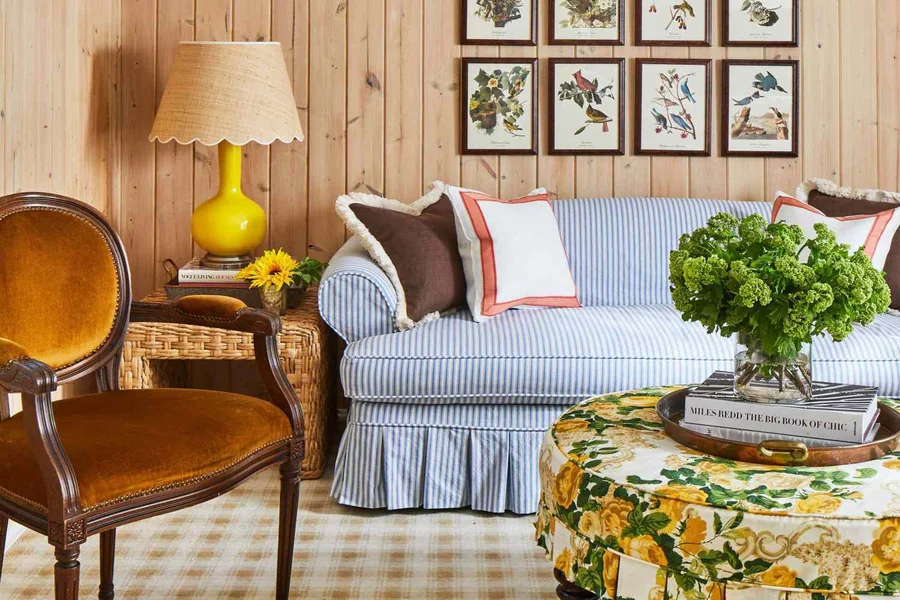
A resolved home doesn’t necessarily look expensive, dramatic or heavily styled. More often, it feels calm because the pieces are doing their job. The rooms make sense. Nothing jars. There’s a quiet relationship between scale, colour, texture, lighting and the way people actually live in the space.
That’s why the smallest design decisions often carry the most weight. A home can have beautiful furniture, good bones and quality finishes, yet still feel slightly unfinished if the details aren’t working together. Professional interior decorating that helps create a polished home is often less about adding more and more about editing, aligning and refining what’s already there.
Resolution Starts With Proportion
One of the most common reasons a room feels “off” is poor proportion. The sofa may be too small for the wall behind it. The rug may float awkwardly under the coffee table. The artwork may be hung too high, or the bedside tables may feel visually weak next to a substantial bedhead.
These aren’t major structural problems, but they affect how the whole room reads. Properly resolved interiors use scale deliberately. Large rooms need pieces with presence. Compact rooms need furniture that fits without feeling apologetic. Negative space matters too; a room shouldn’t be packed simply because there’s available floor area.
When proportions are right, the eye relaxes. The room feels intentional rather than assembled over time without a clear plan.
The Power of Repetition
Repetition is one of the simplest ways to make a home feel cohesive. This doesn’t mean every room should match. In fact, overly matched interiors can feel flat and impersonal. The goal is to create subtle links across the home.
That might be a consistent metal finish, a recurring timber tone, a restrained palette of soft neutrals, or repeated curves in furniture and lighting. Even small details, such as similar frame profiles or complementary linen textures, can create continuity.
A resolved home has rhythm. You don’t walk from one room into another and feel as though you’ve entered a completely different property. Each space can have its own mood, but there should be a shared design language running underneath.
Lighting Should Be Layered, Not Accidental
Lighting is often treated as a final practical decision, but it has enormous influence over how finished a room feels. A single overhead light rarely creates atmosphere. It can flatten textures, cast unhelpful shadows and make even well-designed rooms feel harsh.
Layered lighting gives a space depth. Ceiling lights provide general illumination. Lamps soften corners. Wall lights add structure. Accent lighting can draw attention to artwork, shelving or architectural features. Dimmer switches also make a significant difference, especially in living rooms, bedrooms and dining spaces.
The best lighting decisions support how a room is used at different times of day. A kitchen needs task lighting. A sitting room needs warmth. A bedroom needs softness. When lighting is planned properly, the home feels considered, not merely functional.
Styling Is About Editing
Many unfinished rooms don’t need more furniture. They need fewer competing ideas. A collection of decorative objects, cushions, throws, vases and books can look rich and personal, but only when there’s discipline behind the arrangement.
Styling works best when every item has a role. Some pieces add height. Others bring texture, contrast or softness. Some create a focal point. Others support the overall palette. Without that hierarchy, surfaces quickly become cluttered.
Editing is what creates polish. A console with three strong objects can feel more resolved than one crowded with ten. A bed with carefully chosen cushions can look more elegant than one overloaded with layers. A shelf with breathing room can feel more luxurious than a shelf packed edge to edge.
Colour Needs Connection
A beautiful colour in isolation doesn’t always work in a room. Colour needs context. It should relate to the flooring, joinery, natural light, furniture, artwork and adjoining spaces.
This is where small decisions become critical. The undertone of a white wall, the warmth of a timber finish, the shade of a curtain lining or the colour of a rug can shift the entire mood of a room. A palette may be neutral, but it still needs structure. Warm neutrals, cool greys, chalky whites and earthy tones all behave differently.
A resolved palette usually has enough contrast to feel alive, but not so much that the room feels fragmented. The strongest homes tend to balance restraint with moments of depth, such as a darker timber, a textured fabric, a muted accent colour or a piece of artwork that pulls the scheme together.
Window Furnishings Can Make or Break the Room
Curtains, blinds and sheers are sometimes viewed as purely practical, but they’re a major design element. The wrong window treatment can make ceilings feel lower, windows feel smaller and rooms feel less refined.
Full-height curtains can add softness and verticality. Sheers can filter harsh Australian light while giving a room a more elegant finish. Roman blinds can suit smaller spaces where curtains may feel heavy. The fabric choice matters too, from the weight and weave to the way it falls.
When window furnishings are chosen properly, they frame the architecture, control light and add a sense of completion. Without them, even a well-furnished room can feel exposed or unresolved.
The Final Layer Should Feel Personal
A polished home shouldn’t feel like a showroom. The final layer is where personality enters, but it needs to be handled with care. Family photographs, collected objects, books, ceramics, travel pieces and inherited furniture can all bring warmth and meaning.
The key is placement. Personal items feel more elevated when they’re composed thoughtfully rather than scattered randomly. A meaningful artwork can anchor a hallway. A favourite ceramic bowl can sit beautifully on a coffee table. Books can add colour and texture while saying something genuine about the people who live there.
Resolved interiors don’t erase personality. They give it structure.
A Properly Resolved Home Feels Effortless, But It Isn’t Accidental
The most successful homes often appear simple at first glance. That simplicity is usually the result of careful decisions: the right rug size, the right lamp height, the right amount of contrast, the right spacing between objects, the right balance between function and beauty.
These details may be small, but together they shape the emotional experience of a home. They determine whether a room feels nearly finished or properly complete.
A resolved home doesn’t shout for attention. It feels balanced, liveable and quietly confident. Every choice has a reason, and the result is a space that supports daily life while still feeling polished, personal and deeply considered.

Rockies Ripple is the founder and lead writer behind the independent blog tvplutos.com