
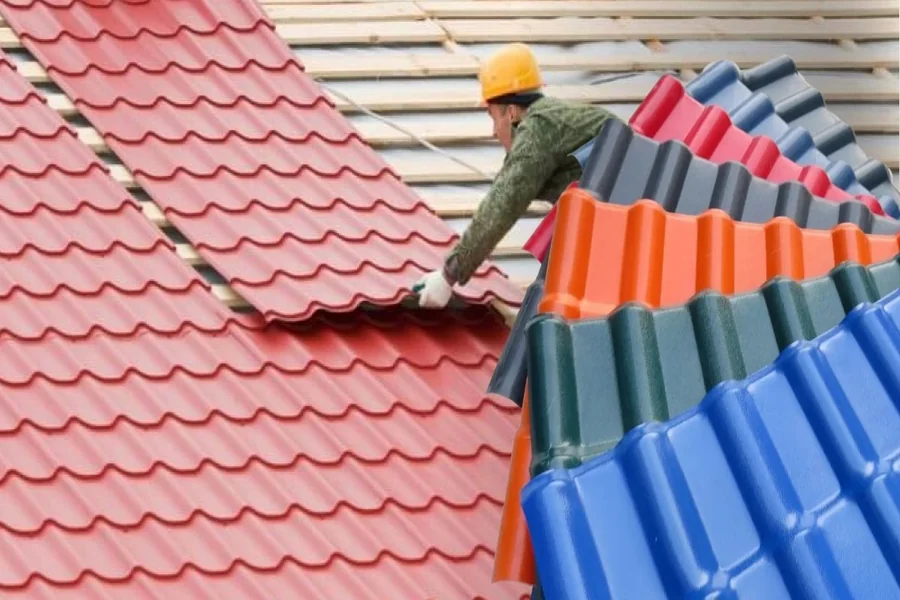
Roofing is one of the most crucial components of any building, protecting structures and their inhabitants from the elements while contributing to energy efficiency and aesthetic appeal. Despite being often overlooked until problems arise, a well-designed roof can last decades and add significant value to a property. Understanding roofing involves examining the types of materials available, proper maintenance practices, and innovations shaping the modern roofing industry.
Types of Roofing Materials
The first consideration in roofing is the choice of material. Each option offers distinct advantages in terms of durability, cost, and appearance.
- Asphalt Shingles
Asphalt shingles are among the most popular roofing materials, especially in residential construction. They are cost-effective, easy to install, and available in a wide range of colors and styles. Modern asphalt shingles often include fiberglass reinforcement, which improves durability and fire resistance. Their lifespan typically ranges from 20 to 30 years, depending on climate and maintenance.
- Metal Roofing
Metal roofs, commonly made from steel, aluminum, or copper, are known for their longevity and low maintenance requirements. A properly installed metal roof can last 50 years or more and is highly resistant to fire, wind, and snow. Metal roofing is also energy-efficient, reflecting heat in warm climates and reducing cooling costs.
- Clay and Concrete Tiles
Clay and concrete tiles provide a distinctive look, often associated with Mediterranean or Spanish-style architecture. These materials are highly durable and resistant to fire and insects. However, they are heavier than other roofing types, requiring a reinforced structure to support the weight. Tiles can last 50 years or longer if properly maintained.
- Slate Roofing
Slate is a natural stone material that is prized for its beauty and durability. Heritage roofing techniques often utilize slate or clay tiles to ensure longevity and maintain architectural authenticity. Slate roofs are virtually impervious to fire, rot, and insect damage, with a lifespan that can exceed 100 years. The main drawbacks are cost and weight, as slate is one of the heaviest roofing materials. - Synthetic and Composite Materials
Recent innovations in roofing include synthetic slate, rubber, and plastic composites. These materials mimic the appearance of natural materials while being lighter, more affordable, and often easier to install. Many composites are also designed to be environmentally friendly, incorporating recycled content.
The Importance of Proper Installation
No matter the material, proper installation is critical to a roof’s performance and longevity. Incorrect installation can lead to leaks, structural damage, and reduced lifespan. Key aspects of proper roofing installation include:
- Underlayment: A water-resistant barrier beneath the roofing material that provides additional protection against leaks.
- Flashing: Metal pieces installed around roof penetrations like chimneys and vents to prevent water infiltration.
- Ventilation: Proper airflow in the attic helps regulate temperature, prevent moisture buildup, and extend the life of the roofing materials.
Hiring experienced, licensed roofing contractors is essential to ensure these elements are correctly installed.
Roof Maintenance and Inspection
Routine maintenance can prevent minor issues from becoming costly repairs. Regular inspection, particularly after storms or harsh weather, is recommended. Some key maintenance practices include:
- Cleaning Debris: Leaves, branches, and other debris can accumulate, trapping moisture and promoting rot or mold growth.
- Inspecting Shingles or Tiles: Look for cracks, chips, or missing materials that could lead to leaks.
- Checking Gutters and Downspouts: Clogged gutters can cause water to back up onto the roof, leading to damage.
- Addressing Moss or Algae Growth: Moss and algae can damage roofing materials over time. Specialized cleaners or zinc strips can prevent growth.
A proactive maintenance approach can extend a roof’s life by several years and reduce the likelihood of emergency repairs.
Modern Roofing Innovations
The roofing industry has seen significant technological advances aimed at improving durability, energy efficiency, and sustainability.
- Cool Roofs
Cool roofs use reflective materials to reduce heat absorption, lowering indoor temperatures and decreasing energy costs. They are particularly beneficial in hot climates.
- Green Roofs
Green or living roofs incorporate vegetation on the roof surface, providing natural insulation, reducing stormwater runoff, and improving air quality. While more common in commercial buildings, residential green roofs are gaining popularity in urban areas.
- Solar Roofing
Solar panels and integrated photovoltaic roofing systems allow homeowners to generate renewable energy while protecting their home. Modern solar roofing can be designed to blend seamlessly with traditional shingles or tiles.
- Advanced Roofing Materials
New materials such as impact-resistant shingles and synthetic slates offer better resistance to extreme weather, including hail and strong winds. These innovations improve safety and reduce long-term maintenance costs.
Choosing the Right Roof for Your Home
Selecting a roof involves balancing aesthetics, functionality, budget, and climate considerations. Homeowners should evaluate factors such as:
- Climate: Some materials perform better in specific climates. For instance, metal and tile are excellent in hot areas, while asphalt shingles may be more practical in moderate climates.
- Budget: Long-term durability versus upfront cost should be considered. Investing in a higher-quality roof can save money over time.
- Style: The roof’s appearance contributes significantly to curb appeal. Material, color, and design should complement the overall architectural style of the building.
- Maintenance: Understanding the maintenance requirements of different materials helps homeowners prepare for long-term care.
Conclusion
Roofing is a critical component of building construction and homeownership. A well-chosen and properly installed roof protects the home, enhances energy efficiency, and adds aesthetic value. With various materials available—from traditional asphalt shingles to cutting-edge solar roofing—homeowners can find solutions that suit their budget, style, and climate. Coupled with regular maintenance and timely inspections, modern roofing practices ensure long-lasting protection and peace of mind.
As technology continues to evolve, roofs are becoming more than just protective covers; they are energy savers, eco-friendly systems, and integral parts of a home’s overall design. Investing time and resources into understanding roofing materials, installation, and maintenance ensures that this crucial element of a building performs optimally for decades to come.
