
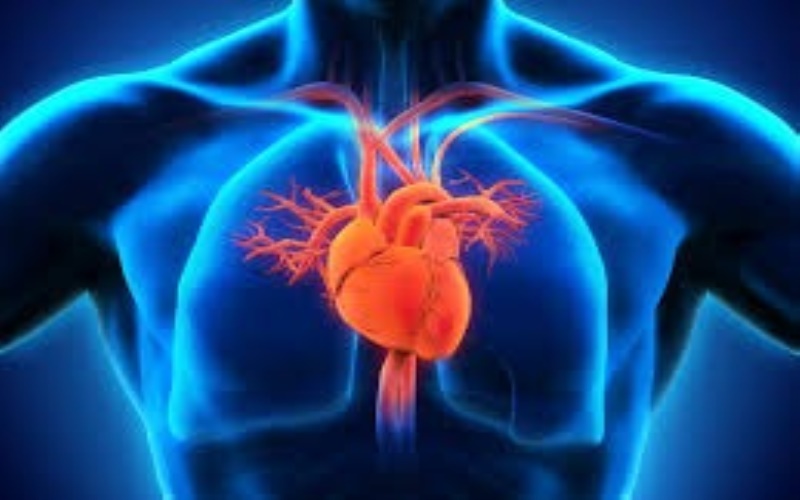
Heart conditions like cardiomyopathy, abnormal heart rhythms and coronary artery anomalies can be very dangerous if left undiagnosed in athletes. These conditions put athletes at much higher risk for sudden cardiac arrest or death during training or competition. It is critically important that athletes are properly screened and monitored to detect any underlying heart issues.
Causes of Sudden Cardiac Arrest in Athletes
Several heart conditions are known to be common causes of sudden cardiac arrest or death in young athletes. Hypertrophic cardiomyopathy (HCM) is the most prevalent, accounting for around 36% of cases. HCM causes abnormal thickening of the heart muscle, which can lead to obstruction of blood flow and fatal arrhythmias. Other heart muscle diseases like dilated cardiomyopathy and arrhythmogenic right ventricular cardiomyopathy are also linked to about 10% of sudden cardiac deaths in athletes.
Congenital coronary artery anomalies are another culprit, causing around 12-17% of cases. These are abnormalities in the blood vessels supplying blood to the heart that can predispose athletes to ischemia or dangerous heart rhythms during intense exercise. Conditions like long QT syndrome and catecholaminergic polymorphic ventricular tachycardia that affect the heart’s electrical system make up around 10-15% of cases as well.
Warning Signs and Symptoms
Because most conditions like HCM, coronary anomalies, and ion channelopathies do not have obvious symptoms, sudden cardiac arrest may be the first warning sign in an athlete. However, some subtle symptoms that could indicate underlying heart disease include:
- Breathlessness or chest pain with exercise
- Racing or irregular heartbeats (palpitations)
- Dizziness, light-headedness, or fainting during or after training
- Fatigue despite adequate rest and nutrition
While these non-specific complaints are common in athletes and usually benign, athletes experiencing such symptoms should be evaluated for heart disease when appropriate.
Screening and Diagnostic Tests
Several screening and diagnostic tests done by a sports cardiologist can be useful for identifying athletes who may have underlying heart conditions:
- Family history – Family members with inheritable conditions or sudden unexplained death
- Physical exam – Abnormal heart sounds, blood pressure, or rhythm
- Electrocardiogram (ECG) – Looks at the heart’s electrical activity
- Echocardiogram – Uses ultrasound to examine heart structure/function
- Exercise stress testing – Monitors heart with exercise
- Cardiac MRI – Detailed imaging of heart muscle and structure
- Genetic testing – To identify gene mutations in some disorders
Proper sports cardiology screening and evaluation can detect most problematic heart conditions in athletes so steps can be taken to protect their health. However, some athletes may still be missed or only diagnosed after a dangerous cardiac event.
Prevention Through Limiting Activity
For athletes definitively diagnosed with heart conditions like HCM, long QT syndrome or coronary anomalies, sports activity will need to be restricted to some degree to prevent sudden death. Depending on the specific condition and risk factors, some athletes may be disqualified from competitive sports entirely while others may be able to continue with certain limitations and precautions.
The difficult choice to limit an athlete’s participation is necessary when the risks of their condition outweigh the benefits of sports. With proper treatment like medications or implantable defibrillators, many can still lead active, healthy lives away from high-intensity competitive athletics. Protecting young athletes from the tragic consequences of undiagnosed heart problems must be the priority.

Rockies Ripple is the founder and lead writer behind the independent blog tvplutos.com