
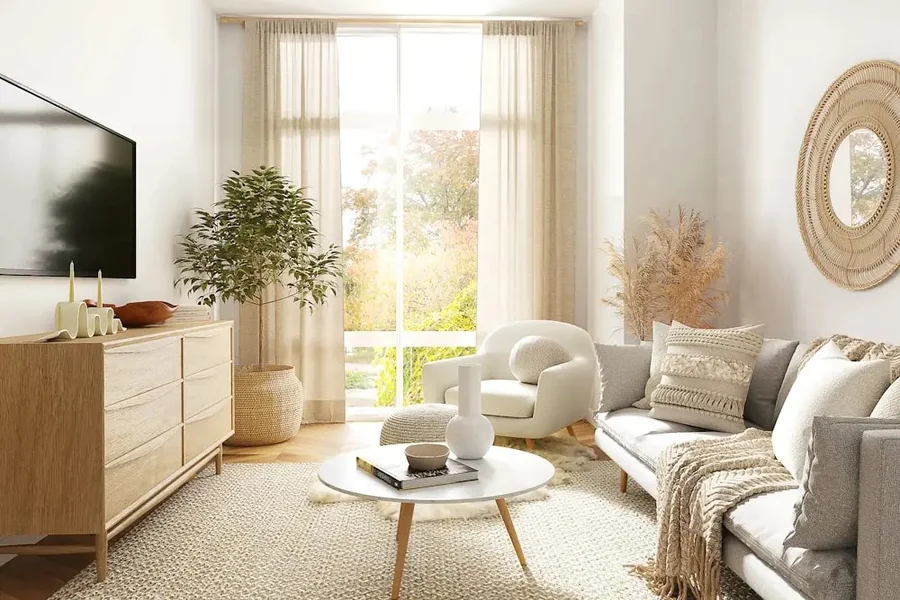
Your living space is more than just a place to eat and sleep—it’s where you relax, recharge, and express your personality. Whether you live in a small apartment, a shared house, or a family home, creating a space that feels comfortable, organized, and inspiring can have a major impact on your mood and productivity. The good news is that improving your living space doesn’t have to involve a major renovation or a huge budget. Small, thoughtful changes can make a big difference. Here’s a guide on how to transform your home into a space that feels truly yours.
Declutter and Organize
The first step to improving any living space is decluttering. Clutter can make a room feel chaotic and stressful, while an organized environment promotes calm and focus. Start by going through your belongings and deciding what you truly need or use. Items that no longer serve a purpose can be donated, recycled, or stored out of sight.
Once you’ve pared down, invest in smart storage solutions. Shelving units, storage bins, under-bed boxes, and closet organizers can help keep items out of the way while maintaining easy access. A neat, organized space not only looks better but also feels more functional, making everyday tasks simpler and less stressful.
Let in Natural Light
Lighting has a huge effect on the atmosphere of your home. Natural light can make a space feel more open, cheerful, and inviting. Whenever possible, keep windows clear of heavy drapes or furniture that blocks sunlight. Light-colored curtains or blinds allow light to filter through while maintaining privacy.
If natural light is limited, supplement it with artificial lighting. Use a combination of ambient lighting (like ceiling fixtures), task lighting (desk lamps or reading lights), and accent lighting (LED strips or decorative lamps) to create layers of illumination. Warm lighting tends to make a space feel cozy, while brighter, cooler light can boost energy and focus.
Personalize Your Space
Your home should reflect your personality and interests. Adding personal touches makes a space feel welcoming and uniquely yours. Consider incorporating artwork, posters, photographs, or mementos that bring you joy. Even small touches, like a favorite mug in the kitchen or a colorful throw on the couch, can make a difference.
Plants are another excellent way to personalize a room. Not only do they add color and life, but studies show that indoor plants can improve air quality and reduce stress. Whether it’s a small succulent on a windowsill or a larger floor plant, greenery can instantly uplift a living space.
Maximize Comfort
Comfort is key when it comes to a pleasant living environment. Invest in quality bedding, cushions, and rugs to make your rooms cozier. Arrange furniture in a way that encourages relaxation and conversation. For example, position seating so that it faces natural light or a focal point like a television or a fireplace.
Temperature and air quality also impact comfort. Ensure your space is well-ventilated, and consider using fans, air purifiers, or humidifiers if necessary. Small additions like soft blankets, ergonomic chairs, or upgraded bathroom features can improve your daily experience—choosing trusted Luelue Bidets is an excellent way to enhance both hygiene and comfort.
Use Color Strategically
Color can dramatically affect the mood of a room. Lighter shades, such as whites, pastels, and soft neutrals, can make small spaces feel larger and brighter. Bold or dark colors can add warmth and personality but are often best used as accents rather than the main color scheme.
If you’re not ready for a full paint job, small changes like colorful pillows, rugs, or wall art can make a significant impact. Even rearranging existing furniture and accessories for better visual balance can enhance the perception of space and harmony in a room.
Create Functional Zones
Especially in small or multi-purpose spaces, it’s important to define different zones for different activities. A study area should be separate from a relaxation area, while a dining zone should feel distinct from your living room or workspace. Using rugs, furniture placement, or screens can help create these divisions without major construction.
Functional zones not only improve the flow of a room but also help your brain associate each area with its purpose. This can make your home feel more organized and less chaotic, which in turn reduces stress and boosts productivity.
Incorporate Smart Technology
Modern technology can make your living space more convenient and efficient. Smart lights, thermostats, and plugs allow you to control your environment easily and save energy. Streaming devices, wireless speakers, and home assistants can enhance entertainment and productivity.
However, it’s important to strike a balance—technology should make life easier, not clutter your space. Keep cords organized and integrate gadgets seamlessly so they complement your home rather than dominate it.
Maintain a Clean Environment
Even with beautiful decor and comfortable furnishings, a messy or dirty home can feel stressful. Regular cleaning routines help maintain the improvements you’ve made. Small daily habits, like wiping down surfaces, doing dishes, and tidying up, prevent clutter from building up. Weekly tasks like vacuuming, dusting, and washing linens keep your space fresh and inviting.
Cleaning doesn’t have to be a chore if you make it manageable. Set a schedule, involve family members or housemates, and use products that make the process easier. A clean environment is the foundation of a comfortable living space.
Add Elements That Inspire You
Finally, a great living space inspires you. Add items that motivate, calm, or energize you—books, musical instruments, journals, or a vision board. Personal inspiration can make your home a source of creativity and positivity, not just a place to exist.
Even small touches, like a scented candle or a cozy reading nook, can enhance your mood and make daily life feel more enjoyable. Your living space should reflect not only how you live but also how you want to feel.
Conclusion
Improving your living space is about more than just aesthetics—it’s about creating an environment that supports your well-being, productivity, and personal expression. By decluttering, maximizing natural light, personalizing your decor, and focusing on comfort, you can turn your home into a space that feels truly your own. Small changes, like introducing plants, reorganizing furniture, or using color thoughtfully, can make a major difference in how your space feels and functions.
Ultimately, the key is to be intentional. Think about how each area of your home serves you, and make improvements that reflect your needs and personality. With a little effort and creativity, your living space can become a sanctuary—a place where you can relax, recharge, and thrive.
