
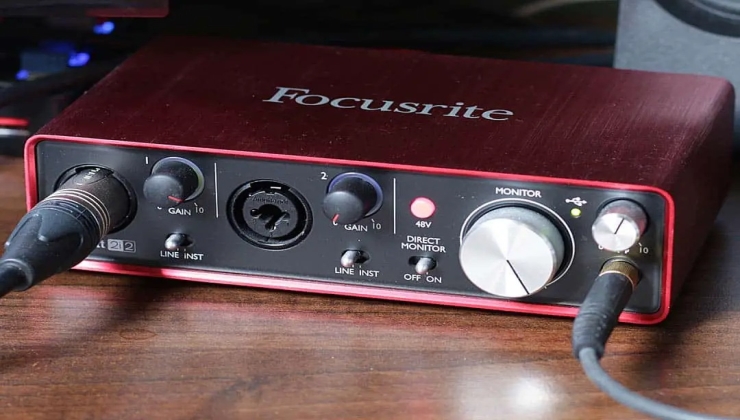
Choosing the right audio interface is crucial for musicians, podcasters, and content creators seeking high-quality sound. Whether you are recording instruments, vocals, or podcasts, an audio interface acts as the bridge between your gear and computer. In this article, we explore the best audio interfaces for every budget and need, breaking down their features, pros, and ideal use cases.
1. What is an Audio Interface?
An audio interface is a device that connects your instruments, microphones, and speakers to your computer. It converts analog signals into digital data for recording and playback, ensuring low latency and improved sound quality. Musicians use them to capture studio-quality recordings, while https://hooq.id/ podcasters need them for clear audio input.
2. Key Features to Look for in an Audio Interface
When choosing an audio interface, it’s important to consider the following features:
Number of Inputs and Outputs: Ensure it matches your recording needs, such as instruments or microphones.
Phantom Power Support: Required for condenser microphones.
Latency: Lower latency ensures smooth real-time monitoring.
Sample Rate and Bit Depth: Look for at least 24-bit/96kHz for studio-quality audio.
Port Compatibility: USB, Thunderbolt, or USB-C for seamless connection to your devices.
Bundled Software: Many interfaces come with free software like DAWs and plugins.
3. Best Audio Interfaces for Musicians and Podcasters
- Focusrite Scarlett 2i2 (3rd Gen) – Ideal for Beginners
The Focusrite Scarlett 2i2 is widely recommended for its ease of use, durability, and affordability. It comes with two high-quality mic preamps, instrument inputs, and 48V phantom power, making it perfect for musicians and podcasters starting their journey.
Key Features:
2 inputs and 2 outputs
24-bit/192kHz audio resolution
Direct monitoring with zero-latency
USB-powered
Best For: Beginners and home studios.
Pros:
Easy setup with plug-and-play functionality
Compact and durable design
Comes bundled with Ableton Live Lite and Focusrite plugins
Cons:
Limited inputs for larger setups
- Universal Audio Volt 2 – Best for Vintage Sound
The Universal Audio Volt 2 offers more than just clean recordings; it also features built-in vintage-style preamps that add warmth to vocals and instruments. With its sleek design and top-notch components, it is ideal for musicians seeking analog-style sound.
Key Features:
2 inputs and 2 outputs
Built-in vintage mode for classic sound
24-bit/192kHz audio resolution
USB-C connection
Best For: Musicians wanting warm, vintage tones.
Pros:
Premium sound quality
Vintage preamps enhance recordings
Comes with UAD plugins and software
Cons:
Slightly more expensive than entry-level options
- PreSonus AudioBox USB 96 – Great for Podcasters on a Budget
The PreSonus AudioBox USB 96 is an excellent choice for podcasters or small home studios seeking an affordable yet reliable audio interface. It offers two combo inputs for microphones or instruments and is compatible with both Mac and Windows systems.
Key Features:
2 combo inputs and 2 outputs
48V phantom power
24-bit/96kHz audio resolution
USB-powered
Best For: Podcasters and small recording setups.
Pros:
Affordable without compromising quality
Compact and easy to carry
Comes with PreSonus Studio One Artist software
Cons:
No MIDI input
- Behringer UMC404HD – Best for Multi-Instrument Recording
For musicians who need more inputs and outputs, the Behringer UMC404HD offers an impressive four combo inputs at an affordable price. This interface is ideal for small bands or musicians recording multiple instruments simultaneously.
Key Features:
4 inputs and 4 outputs
MIDAS preamps for exceptional sound quality
24-bit/192kHz resolution
USB-powered
Best For: Small bands and multi-instrumental setups.
Pros:
Generous I/O options for the price
Great preamps with low noise levels
Built-in MIDI support
Cons:
Larger footprint compared to compact interfaces
- Audient iD4 MKII – Premium Quality in a Compact Package
The Audient iD4 MKII is a compact audio interface that offers studio-quality sound in a small form factor. It features Audient’s renowned Class-A preamps, making it perfect for musicians and podcasters looking for pristine recordings without a large device.
Key Features:
2 inputs and 2 outputs
JFET instrument input for direct recording
24-bit/96kHz audio resolution
USB-C connection
Best For: Musicians and podcasters with limited desk space.
Pros:
Exceptional preamp quality
Sleek, portable design
Low-latency monitoring
Cons:
Limited inputs may not suit larger setups
- Native Instruments Komplete Audio 2 – Perfect for Producers
The Komplete Audio 2 from Native Instruments is a great choice for music producers and beatmakers. It features two inputs and outputs, MIDI connectivity, and includes software bundles like Komplete Start, giving users access to virtual instruments and effects.
Key Features:
2 inputs and 2 outputs
24-bit/192kHz resolution
MIDI I/O support
USB-powered
Best For: Producers and beatmakers.
Pros:
Bundled with high-quality software and plugins
Solid build quality
Easy integration with DAWs
Cons:
Lacks onboard monitoring features
4. Conclusion: Choosing the Right Audio Interface for Your Needs
Selecting the best audio interface depends on your specific needs, budget, and recording environment. If you are a beginner or podcaster, the Focusrite Scarlett 2i2 or PreSonus AudioBox USB 96 offer excellent value. For musicians seeking more warmth and premium sound, the Universal Audio Volt 2 or Audient iD4 MKII provide enhanced preamp quality. Meanwhile, Behringer UMC404HD is perfect for multi-instrument setups, and the Komplete Audio 2 caters to producers looking for software bundles.
With so many great options on the market, finding an audio interface that balances performance, features, and affordability has never been easier. Whichever model you choose, investing in the right audio interface will elevate your recordings to the next level.

Rockies Ripple is the founder and lead writer behind the independent blog tvplutos.com