
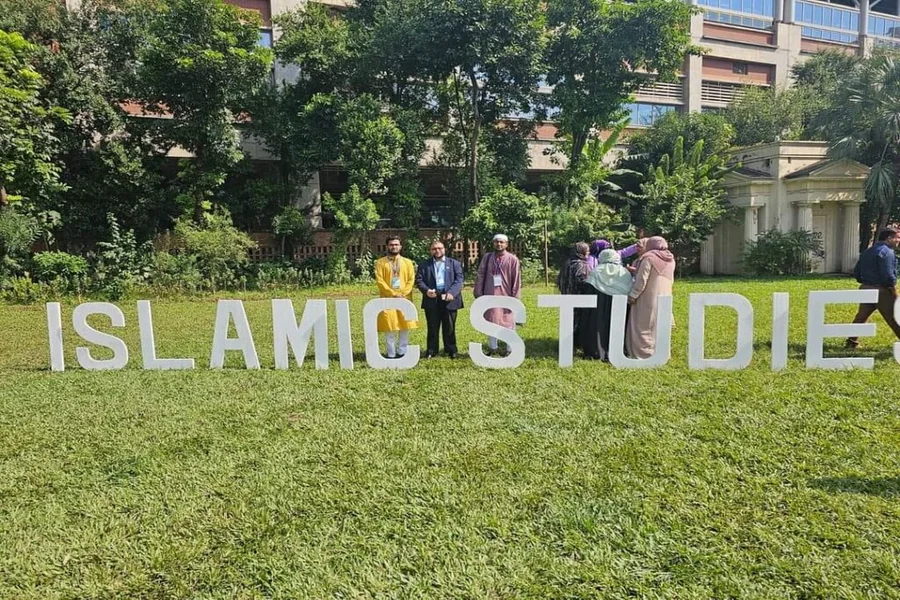
Islamic College: A Comprehensive Guide to Islamic Studies and stai-aisidik.ac.id
Over 1.8 billion Muslims worldwide seek quality Islamic education, yet fewer than 5% have access to accredited Islamic colleges that blend traditional scholarship with modern academic standards. This gap has created unprecedented demand for institutions that preserve authentic Islamic knowledge while preparing students for contemporary challenges. Islamic colleges like stai-aisidik.ac.id represent a critical bridge between classical Islamic Studies and the educational needs of Muslim communities in 2026.
An Islamic college serves as more than just an educational institution—it functions as a guardian of Islamic heritage, a center for scholarly research, and a training ground for future Islamic leaders. These institutions offer specialized programs in Quranic studies, hadith, Islamic jurisprudence, Arabic language, and contemporary Islamic thought, creating graduates equipped to serve their communities as imams, educators, counselors, and scholars.
Understanding Islamic Colleges and Their Mission
Islamic colleges occupy a unique space in higher education, dedicated to preserving and transmitting Islamic knowledge across generations. Unlike conventional universities that may offer Islamic Studies as one department among many, Islamic colleges center their entire mission on Islamic education and scholarship.
These institutions trace their lineage to the classical madrasas that flourished during Islam’s golden age, when centers of learning in Baghdad, Cordoba, and Cairo produced scholars whose works remain authoritative today. Modern Islamic colleges like stai-aisidik.ac.id maintain this scholarly tradition while adapting to contemporary educational standards and accreditation requirements.
The primary mission of an Islamic college encompasses several critical objectives:
Preservation of Islamic Knowledge: Islamic colleges safeguard authentic Islamic teachings by training students in classical texts, methodologies, and interpretive frameworks that have been refined over fourteen centuries.
Community Leadership Development: These institutions prepare graduates to serve as imams, khatibs, Islamic educators, and community organizers who can address the spiritual and practical needs of Muslim populations.
Scholarly Research and Innovation: Islamic colleges contribute to ongoing scholarly discourse by producing research that applies Islamic principles to contemporary issues, from bioethics to finance to social justice.
Cultural and Linguistic Competency: By emphasizing Arabic language mastery and cultural literacy, Islamic colleges ensure students can engage directly with primary Islamic sources rather than relying solely on translations.
Core Programs and Curriculum at Islamic Colleges
The curriculum at an Islamic college like stai-aisidik.ac.id typically encompasses both foundational Islamic sciences and specialized advanced studies. This comprehensive approach ensures graduates possess both breadth and depth in Islamic Studies.
Foundational Islamic Sciences
Quranic Studies (Tafsir and Tajweed): Students learn proper Quran recitation, memorization techniques, and classical exegesis. Advanced courses explore thematic studies, comparative tafsir methodologies, and the relationship between Quranic verses and contemporary issues.
Hadith Sciences: This discipline includes hadith authentication, narrator criticism, and the application of prophetic traditions to legal and ethical questions. Students study major hadith collections including Sahih al-Bukhari, Sahih Muslim, and the Sunan compilations.
Islamic Jurisprudence (Fiqh and Usul al-Fiqh): Comprehensive training in Islamic law covers ritual worship, transactions, family law, and criminal justice. Students learn the principles of legal reasoning that enable them to derive rulings for new situations.
Arabic Language: Mastery of classical and modern standard Arabic enables direct engagement with Islamic texts. Programs typically include grammar (nahw), morphology (sarf), rhetoric (balagha), and literature.
Islamic Theology (Aqidah): Students examine core Islamic beliefs, theological debates throughout Islamic history, and contemporary challenges to faith in secular contexts.
Specialized Advanced Studies
Islamic colleges offer specialized tracks that allow students to develop expertise in particular areas:
- Islamic Finance and Economics: Principles of riba-free banking, zakat administration, and ethical investment
- Islamic Counseling and Chaplaincy: Pastoral care, crisis intervention, and spiritual guidance within Islamic frameworks
- Dawah and Islamic Education: Pedagogical methods, curriculum development, and effective communication of Islamic teachings
- Comparative Religion: Understanding other faith traditions to facilitate interfaith dialogue and contextualize Islamic distinctiveness
Accreditation and Quality Standards in Islamic Education
Quality assurance remains paramount for Islamic colleges seeking to maintain both religious authenticity and academic credibility. Institutions like stai-aisidik.ac.id pursue multiple forms of recognition to demonstrate their commitment to excellence.
Religious Accreditation: Islamic colleges often seek endorsement from recognized Islamic scholarly bodies that verify the authenticity and orthodoxy of their curriculum and faculty qualifications. This ensures graduates receive training consistent with mainstream Islamic scholarship.
Academic Accreditation: Regional and national accrediting agencies evaluate Islamic colleges using the same standards applied to conventional institutions—faculty credentials, student outcomes, library resources, financial stability, and institutional governance.
Government Recognition: In many countries, Islamic colleges must register with education ministries and meet specific requirements to grant recognized degrees. This recognition enables graduates to pursue further education or professional licensure.
International Standards: Leading Islamic colleges align their programs with international educational frameworks, facilitating student mobility and degree recognition across borders.
The accreditation process benefits students by ensuring their degrees hold value in both religious and secular contexts. Graduates from accredited Islamic colleges can pursue advanced studies at conventional universities, qualify for professional positions, and receive recognition for their expertise.
Career Pathways for Islamic College Graduates
Graduates of Islamic colleges pursue diverse career paths that leverage their specialized knowledge and skills:
Religious Leadership: Many graduates serve as imams, leading prayers, delivering sermons, and providing religious guidance to mosque communities. Others become khatibs specializing in Friday sermon delivery or religious directors overseeing multiple Islamic centers.
Islamic Education: Teachers at Islamic schools, weekend programs, and online platforms rely on Islamic college training to deliver authentic, age-appropriate Islamic instruction. Curriculum developers create educational materials that balance traditional content with modern pedagogical approaches.
Chaplaincy Services: Hospitals, universities, prisons, and military installations increasingly employ Muslim chaplains who provide spiritual care, crisis counseling, and religious accommodation advocacy.
Community Organization: Islamic nonprofits, relief organizations, and advocacy groups hire graduates to lead programs, develop initiatives, and represent Muslim community interests to broader society.
Scholarly Research: Some graduates pursue advanced degrees and academic careers, contributing to Islamic Studies scholarship through research, publication, and teaching at universities.
Islamic Finance: Banks, investment firms, and financial institutions offering Sharia-compliant products employ graduates with expertise in Islamic commercial law and ethical finance principles.
Choosing the Right Islamic College
Prospective students should evaluate several factors when selecting an Islamic college:
Scholarly Tradition and Methodology: Different Islamic colleges emphasize particular schools of thought or interpretive approaches. Understanding an institution’s scholarly orientation ensures alignment with personal beliefs and community needs.
Faculty Credentials: Examine faculty qualifications, including where they studied, their publications, and their standing within Islamic scholarly circles. Strong faculty with recognized expertise enhance educational quality.
Accreditation Status: Verify both religious and academic accreditation to ensure degree recognition and program quality. Institutions like stai-aisidik.ac.id that maintain multiple accreditations demonstrate commitment to comprehensive excellence.
Program Offerings: Assess whether the college offers specializations aligned with career goals, whether in Islamic education, chaplaincy, finance, or other fields.
Student Support Services: Quality Islamic colleges provide academic advising, career counseling, financial aid, and student life programs that support holistic development.
Community Connections: Institutions with strong relationships to local Muslim communities offer valuable networking opportunities, internships, and practical experience.
Learning Format: Consider whether traditional on-campus, online, or hybrid formats best suit personal circumstances and learning preferences.
The Future of Islamic Colleges in 2026 and Beyond
Islamic colleges face both opportunities and challenges as they navigate the evolving educational landscape. Digital technology enables unprecedented access to Islamic learning through online programs, recorded lectures, and virtual classrooms. Institutions like stai-aisidik.ac.id increasingly offer flexible learning options that serve working professionals, international students, and those unable to relocate for full-time study.
Growing Muslim populations in Western countries create demand for locally-trained religious leaders who understand both Islamic scholarship and the cultural contexts of minority Muslim communities. Islamic colleges that prepare graduates for this dual competency fill a critical need.
Interdisciplinary approaches that connect Islamic Studies with fields like psychology, social work, public health, and environmental science position Islamic colleges as contributors to broader societal challenges. This integration demonstrates Islam’s relevance to contemporary issues while maintaining scholarly rigor.
Quality assurance and standardization efforts across Islamic colleges help establish consistent educational benchmarks, facilitate credit transfer, and enhance degree recognition. Collaborative networks among Islamic institutions strengthen the entire field.
Conclusion
Islamic colleges serve an indispensable role in preserving Islamic knowledge, training community leaders, and applying Islamic principles to contemporary challenges. Institutions like stai-aisidik.ac.id exemplify the integration of traditional Islamic scholarship with modern academic standards, producing graduates equipped to serve diverse Muslim communities worldwide.
For prospective students, selecting an Islamic college requires careful evaluation of accreditation, faculty expertise, program offerings, and institutional mission. The investment in Islamic Studies education yields both spiritual growth and practical skills applicable across numerous career paths.
As Muslim communities continue growing and evolving in 2026, the demand for qualified Islamic scholars, educators, and leaders will only increase. Islamic colleges that maintain scholarly authenticity while embracing educational innovation will lead this vital sector forward.

Rockies Ripple is the founder and lead writer behind the independent blog tvplutos.com